Unlock Athlevo Pro
Your complete AI endurance coach. Get personalized training, performance analytics, recovery insights, and full AI coaching access.
₱597/monthPersonalized endurance coaching — from an adaptive app you run yourself to a coach in your corner every week.
300+ runners coached · marathon, hybrid & performance goals.

A personalized endurance coach that plans your training, learns from your feedback, tracks your workload, and evolves with you.
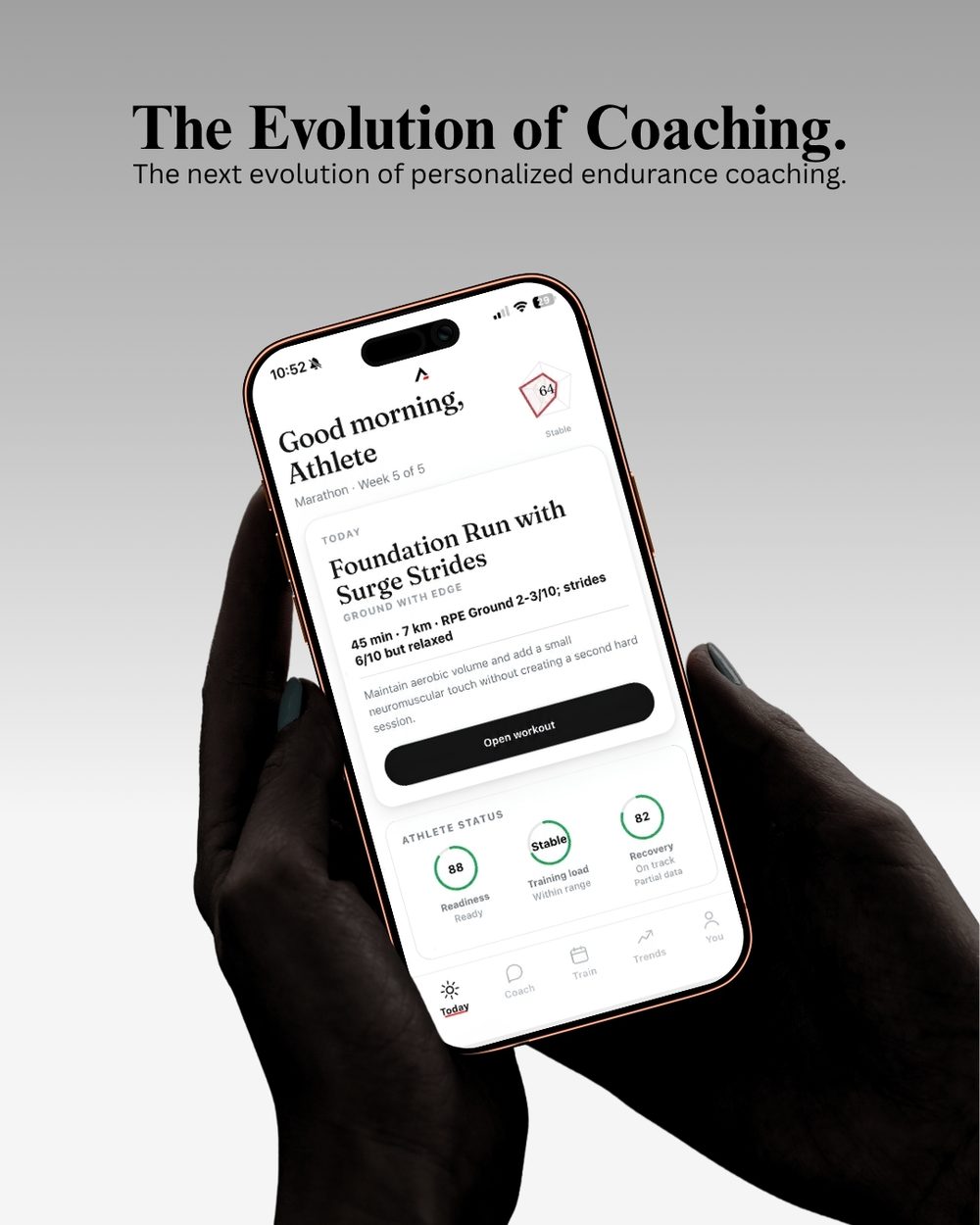
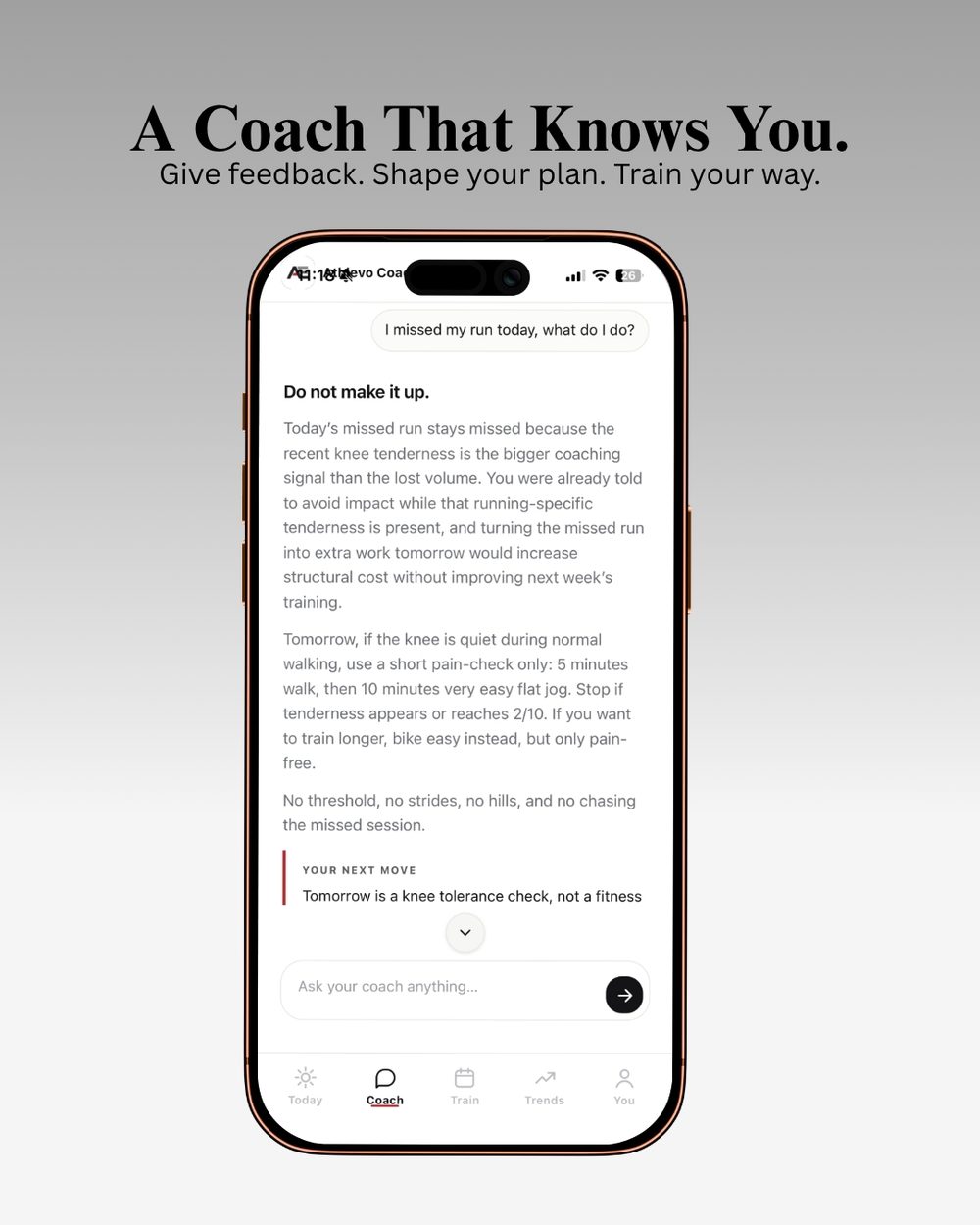
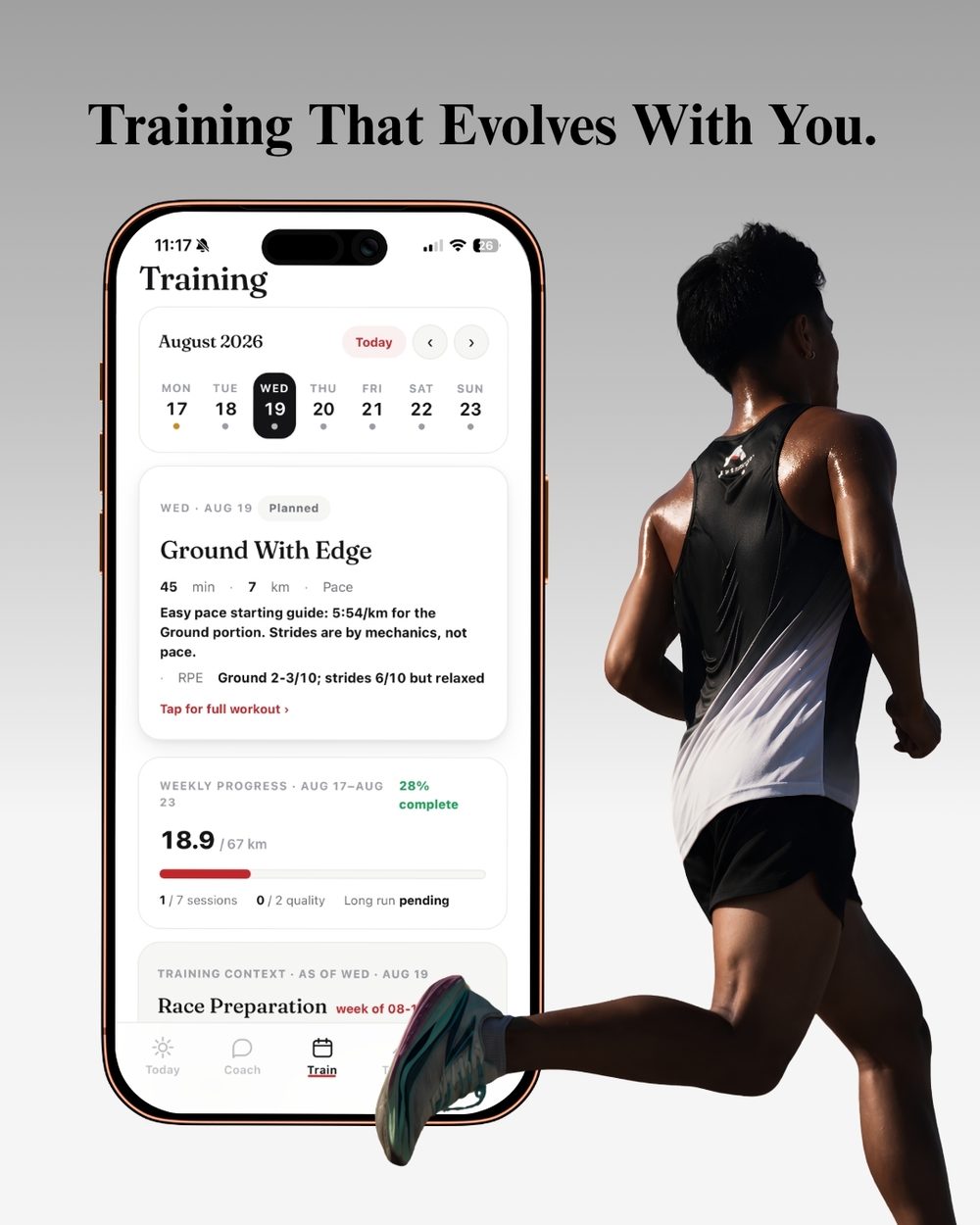
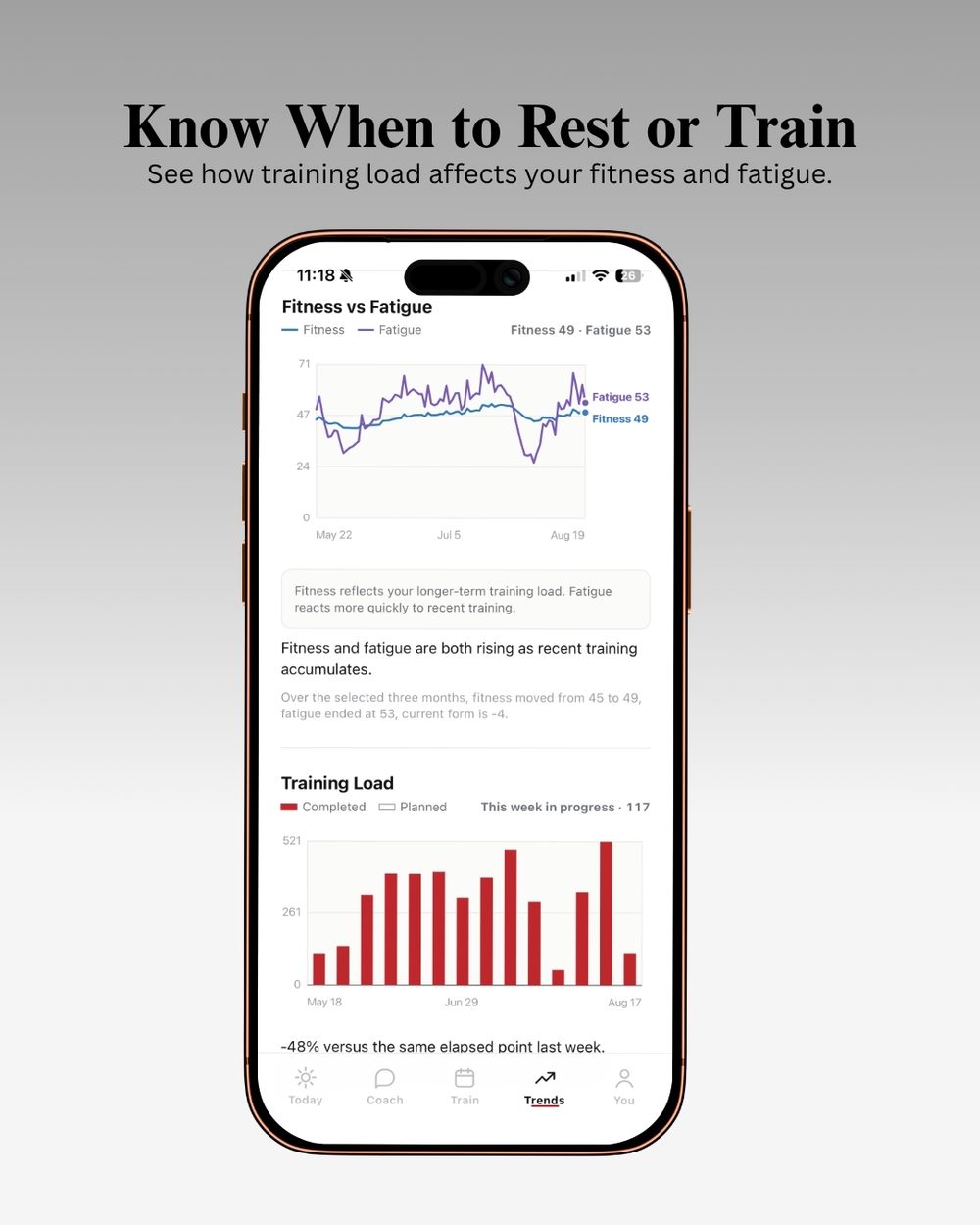
Your plan. Your coach. Your training data. One system.
Start TrainingEvery one of them changes what the right training decision looks like.
Athlevo coaches the athlete in front of us — not the perfect week written on paper.
Build consistency and endurance properly instead of guessing.
Make limited training time count through better structure.
Prepare specifically for 5K, 10K, half marathon, marathon, and other endurance goals.
Balance running, strength, conditioning, tennis, cycling, gym work, or other sports without blindly stacking fatigue.
Athlevo has helped runners with different goals, backgrounds, and starting points train with more direction.
Choose how much guidance you want. Every Athlevo service follows the same performance-first coaching principles — from independent AI guidance to personal coaching with the founder.
Want a human from day one? Start with Plan. Prefer to begin on your own? Athlevo AI starts instantly.
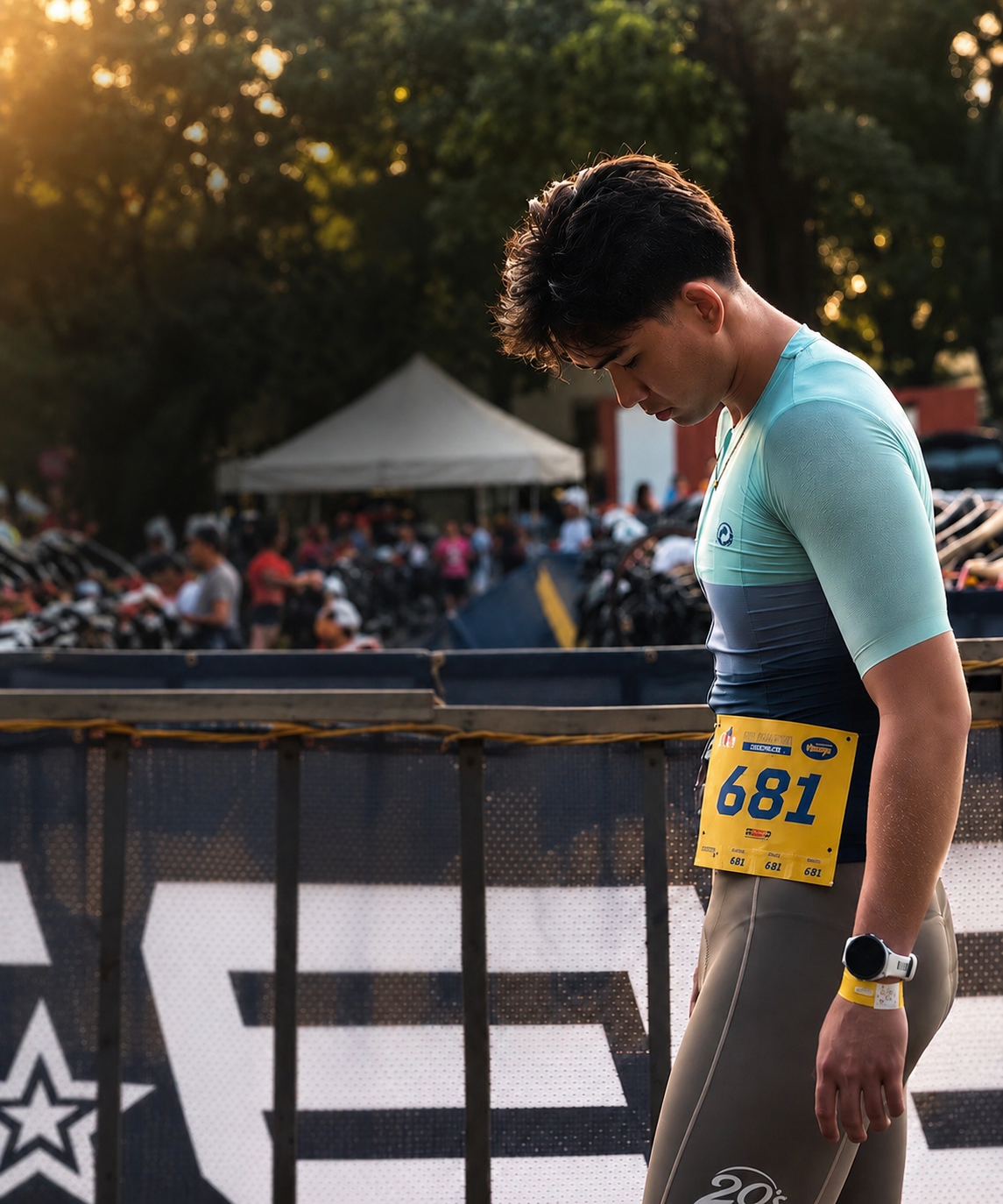
Dean Castro was 19, a student-athlete, runner, and coach, when the idea behind Athlevo began taking shape.
The more athletes he worked with, the more often he saw the same problem: runners were treating performance as something mysterious.
A sub-20 5K was treated like an impossible benchmark.
A marathon was treated like a test of suffering.
More mileage was assumed to mean more progress.
Harder training was assumed to mean better training.
But the athletes who improved were rarely the ones who simply did the most.
They were the ones whose training made sense.
Enough aerobic work. Enough intensity. Strength where it mattered. Progression at the right time. Recovery when the cost became too high. And adjustments when work, sleep, injuries, other sports, or life changed the equation.
”Having workouts isn’t the same as knowing what decision to make next.”
By the time Dean had coached more than 300 runners, that idea had become the foundation of the Athlevo Method: individualize the training, account for the total load on the athlete, progress toward the actual demands of the goal, and keep adjusting based on what really happens.
But coaching athletes one by one created another problem.
Good coaching was difficult to scale.
So Dean began building the software himself.
Athlevo AI became a way to encode parts of that decision-making system for athletes who wanted to train independently. Human Coaching remained the deeper relationship for athletes who wanted a coach actively managing the process.
Today, both exist for the same reason:
Better training starts with better decisions.

An endurance coach that thinks — built on the Athlevo Method, available 24/7.
Create your Athlevo account to continue.
Welcome back. Sign in to continue.
Don't have an account? Sign up
Setting up your account…
Your account is ready
Personalized running coaching that adapts as you train.
Free
Try Athlevo
₱0
Best for most runners
Athlevo Pro
Train consistently with Athlevo
₱597
/ month
3 days free, then ₱597/month · Cancel anytime
Athlevo Pro
₱597/month
Recommended
OR
Other ways to pay
Activating your Athlevo account…
Your payment is still being confirmed. This can take a few seconds.
Your complete AI endurance coach. Get personalized training, performance analytics, recovery insights, and full AI coaching access.
₱597/monthTell us what you’re training for, and Athlevo will build a plan around where you are now, the time you have, and the goal you want to reach.
Athlevo uses your location to show local weather conditions for your training.
First race, marathon, or a new PR — your starting point doesn’t matter.
Your saved plan has not been changed. Check your connection and try again.
Athlevo uses your location to show local weather conditions for your training.
Keep today controlled.
Limited data means today should stay measured.
Athlevo needs a recent check-in and training-load history to explain today’s direction.
Preparing your coaching brief...
Athlevo is reviewing your athlete profile and imported training.
No observation available yet.
No recommendation available yet.
Athlevo will explain the evidence behind the decision here.
Ask about today’s training, recovery, pacing, or your plan.
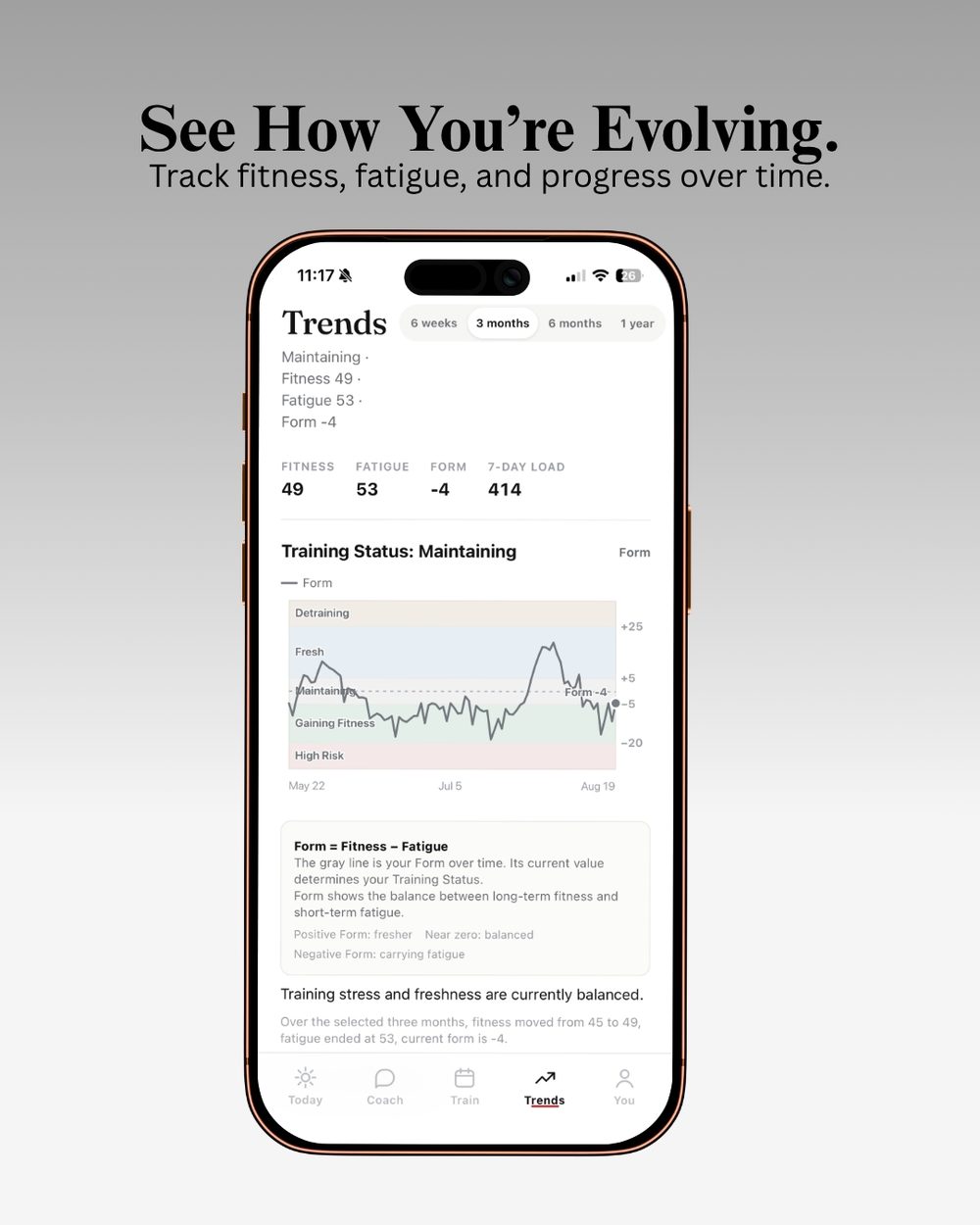
See how your fitness, fatigue, Form, and training load change over time.
Understand your fitness, fatigue, recovery, and training load over time.
Cancel anytimeAthlete profile
Built from your athlete profile and information you have actually provided.
Workout reminders are available in the Athlevo mobile app.
Reminders are off at the system level. Enable notifications for Athlevo in your device Settings.
Permanently delete your account and all associated data. This action cannot be undone.
LT2 is your sustainable ceiling. Below it, lactate production and clearance stay in balance. Above it, the debt compounds and the session's recovery cost explodes.
The Norwegian insight: train slightly below LT2, in controlled repeats. You accumulate far more quality minutes per week than one heroic effort ever could — and you can repeat it Friday after Friday.
Your application: that's why your repeats are 4:52–4:58/km, not "as fast as possible." The pace ceiling is the workout.
Get reminders for your planned workouts, recovery days, and important training updates.
Athlevo only sends notifications that help you follow your plan — no spam.
This will permanently delete your Athlevo account, all training data, plans, activity history, coach memory, and provider connections. This action cannot be undone.
Athlevo allows you to permanently delete your account and all associated data at any time.
When your account is deleted, Athlevo removes the following data permanently:
Certain information may be retained where required for legitimate legal, accounting, fraud prevention, or security purposes as described in our Privacy Policy. Backup systems may require additional time before data is permanently removed.
If you are signed in to Athlevo, you can delete your account directly:
Your account and all data will be permanently removed immediately.
If you are unable to sign in or prefer to request deletion manually, email us at:
Include the email address associated with your Athlevo account. We will verify your identity and process the deletion within 7 business days.
Once your account is deleted, this action cannot be undone. You will need to create a new account if you wish to use Athlevo again. Any active subscriptions will be cancelled as part of the deletion process.
Need help with your account, training plan, billing, or anything else in Athlevo? Reach us directly at:
We typically respond within 1-2 business days.
Read our Privacy Policy and Terms of Service.